
Top stories in Nova Scotia

'Who's next?’: Daughter of murdered Cape Breton woman still lives in fear
Updated 2 hours ago
|8 min read

Sale agreement for Herald, SaltWire could come by end of June
Updated just now
|3 min read

Police release name, photo of suspect in search for armed man in Gaston Road area of Dartmouth
Updated 28 minutes ago
|3 min read
South West Storm hosting 2025 Maritime Junior C hockey championship
Updated 1 hour ago
|4 min read
Provincial funding for municipal infrastructure projects supports growth in Kings County, N.S
Updated 4 hours ago
|6 min read
Local
MoreSale agreement for Herald, SaltWire could come by end of June
Updated just now
|3 min read
Provincial funding for municipal infrastructure projects supports growth in Kings County, N.S
Updated 4 hours ago
|6 min read
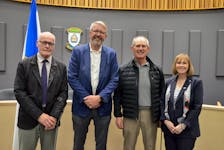
Nova Scotia provides $2.3 million for bridge replacement work in St. Margaret's Bay, Municipality of Chester
Updated 18 hours ago
|2 min read
N.S. mom who strangled her own daughter eyeing eventual release to a halfway house
Updated 5 hours ago
|3 min read
Offers received to buy Halifax Herald and SaltWire
Updated 20 hours ago
|2 min read
Opinion
More
LETTER: How a failed laser eye surgery changed my life
Updated 2 hours ago
|3 min read

LETTER: Worrisome actions by Alberta’s Premier Smith
Updated 2 hours ago
|3 min read

LETTER: Apply logic to discussion around retraumatizing victims
Updated 2 hours ago
|4 min read
Cheers and Jeers for Newfoundland and Labrador April 30
Updated 3 hours ago
|5 min read
DEBBIE LANGSTON: Talk to children about race
Updated 3 hours ago
|4 min read
Business
More
Husky fined $2.5 million for N.L.'s largest oil spill
Husky Oil Operations Ltd. has been ordered to pay a total of $2.5 million in fines for a 2018 crude oil spill believed to be the largest in the province’s history.
Provincial Court Judge Lois Skanes accepted a joint sentencing submission from Crown ...
Updated Apr. 26, 2024
|3 min read
Mactaquac Dam laying the groundwork for decade-long refurbishment
Updated a day ago
|4 min read

ASK THE MONEY LADY: Helping your partners with their spending
Updated a day ago
|3 min read

IGNITE Atlantic signs MOU with Indian grassroots innovation organization
Updated a day ago
|2 min read
MONEY LADY PODCAST: A parent's guide to property and prosperity
Updated 20 hours ago
|1 min read
N.L. socioeconomic tracking software firm gets government funding to aid in expansion
Updated 19 minutes ago
|2 min read
Lifestyles
More
Reaping the rewards of communal eating: Gathering around the table at least once a day can draw out conversation, prevent isolation
Updated 3 hours ago
|7 min read

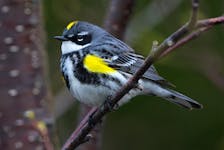
BRUCE MACTAVISH: May is warbler month, and these tiny spring favourites are already showing up in N.L.
Updated 3 hours ago
|4 min read
Food and mood: In a world where our relationship with food is more complicated than ever, it's hard to know what to eat
Updated 3 hours ago
|8 min read
Funny Girl to be performed at Cape Breton's Highland Arts Theatre
Updated 4 hours ago
|3 min read
Keeping the kitchen chaos at bay: St. John's chefs offer tips for helping home creations turn out on point
Updated 4 hours ago
|9 min read
Sports
More
BASKETBALL: AUS MVP Malcolm Christie leaves Dalhousie for NCAA's Oakland University
Updated a day ago
|2 min read

Thunderbirds' season ends with a thud: Halifax loses 9-3 in NLL quarter-final at Albany
Updated a day ago
|5 min read

‘Everyone’s feeling the urgency’: Wanderers lose home opener to Ottawa, fall to 0-3 to start CPL season
Updated Apr. 28, 2024
|5 min read
Halifax's Paul Flemming wins gold at world senior men's curling championship
Updated Apr. 27, 2024
|2 min read
Antigonish Bulldogs edge Kensington 3-2 to win second straight Don Johnson title
Updated a day ago
|2 min read
Communities
MoreSouth West Storm hosting 2025 Maritime Junior C hockey championship
Updated 1 hour ago
|4 min read

Provincial funding for municipal infrastructure projects supports growth in Kings County, N.S
Updated 4 hours ago
|6 min read
MEET THE MAKERS - A flair for design: Mother-daughter duo share passion, creativity in business
Updated 5 hours ago
|5 min read
Nova Scotia provides $2.3 million for bridge replacement work in St. Margaret's Bay, Municipality of Chester
Updated 18 hours ago
|2 min read
It’s a three-peat: King’s-Edgehill girls claim Highlanders Rugby Classic banner in Windsor, N.S.
Updated 18 hours ago
|13 min read
Canada
More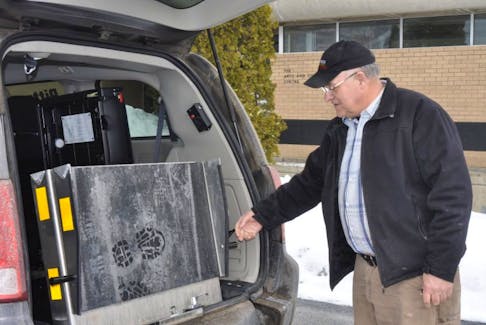
Alexander Park in Moncton closing for eight weeks of upgrades
Updated 1 hour ago
|2 min read

Proposed bylaw looks to ban harm reduction tools in specific locations of Charlottetown
Updated 1 hour ago
|4 min read
Man charged after RCMP officer dragged by vehicle during Trinity Bay traffic stop
Updated 1 hour ago
|2 min read
N.L. and NAPE come to tentative terms on contract for more than 4,000 home care workers
Updated 3 hours ago
|2 min read
NDP P.E.I. renews term of leader Michelle Neill
Updated 3 hours ago
|4 min read
World
More
Breast cancer screening should begin at age 40, U.S. panel says
Updated 26 minutes ago
|2 min read

Azerbaijan puts activist in pre-trial custody on smuggling charge he denies
Updated 33 minutes ago
|2 min read

US Supreme Court won't halt Texas age verification for online porn
Updated 35 minutes ago
|3 min read
Explainer-What is GPS jamming and why it is a problem for aviation?
Updated 53 minutes ago
|3 min read
Brother of Mexican drug lord 'El Mencho' was released, security ministry says
Updated 54 minutes ago
|1 min read
Recent Stories
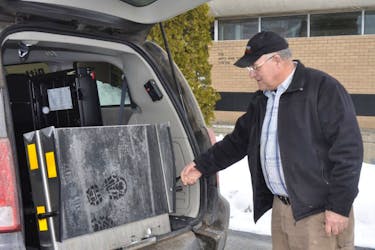
Newfoundland and Labrador opens applications for accessible vehicle funding
Updated 13 minutes ago
|2 min read

Ireland aims to enact legislation on returning asylum seekers to UK by end of May
Updated 12 minutes ago
|2 min read
N.L. socioeconomic tracking software firm gets government funding to aid in expansion
Updated 19 minutes ago
|2 min read
COMMENTARY: Portugal marks 50 years since the Carnation Revolution
Updated 24 minutes ago
|5 min read
Breast cancer screening should begin at age 40, U.S. panel says
Updated 26 minutes ago
|2 min read